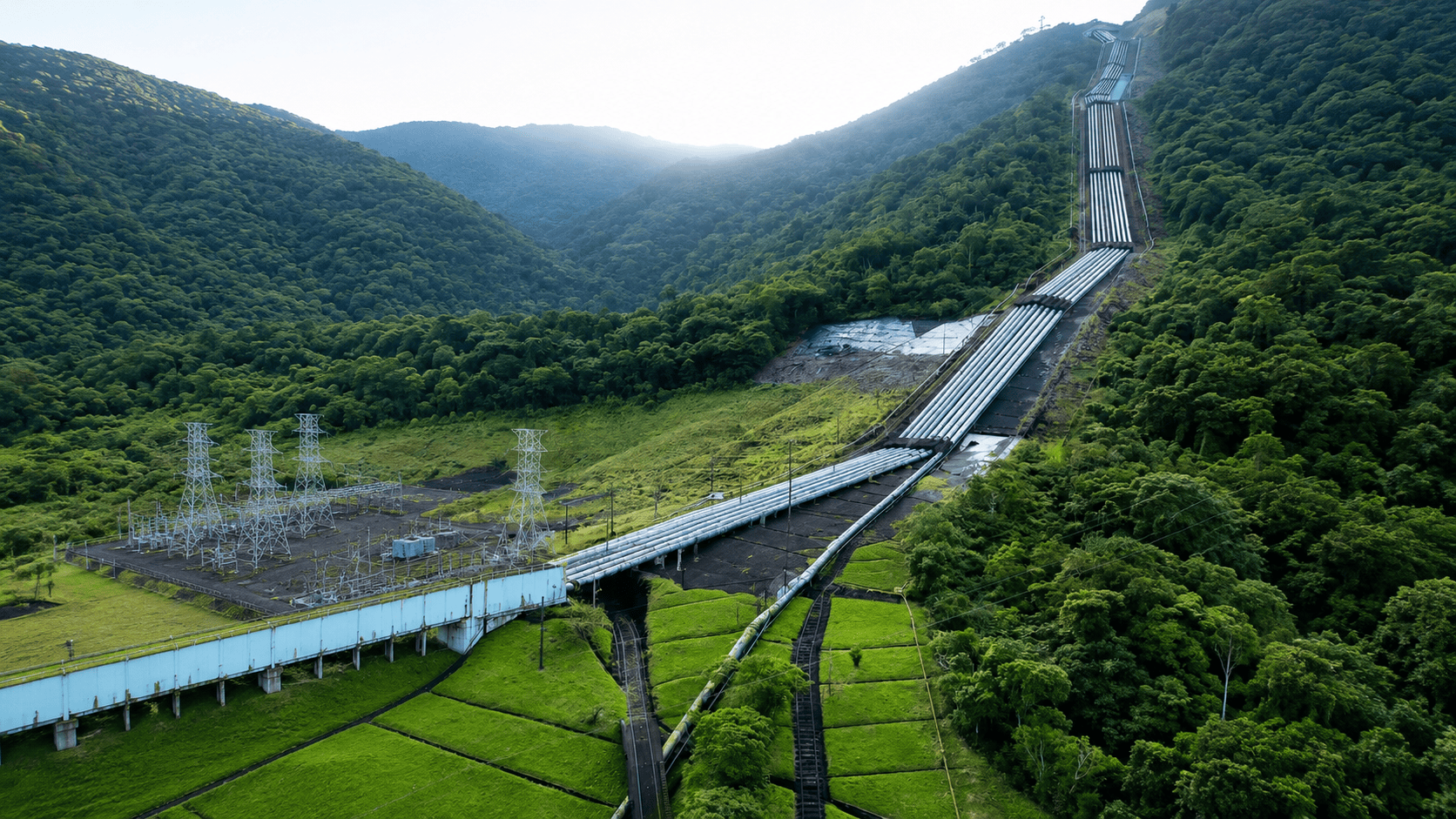
Mitsubishi Chemical conclui planta piloto de tratamento de águas residuais na usina de Hiroshima
Mitsubishi Chemical Corp. (MCC, Tokyo) has completed construction of a pilot wastewater treatment facility at its Hiroshima Plant, aimed at improving the quality of effluent from chemical production sites. Construction began in October 2024, marking a key step in the company’s efforts to advance water management and sustainability initiatives.
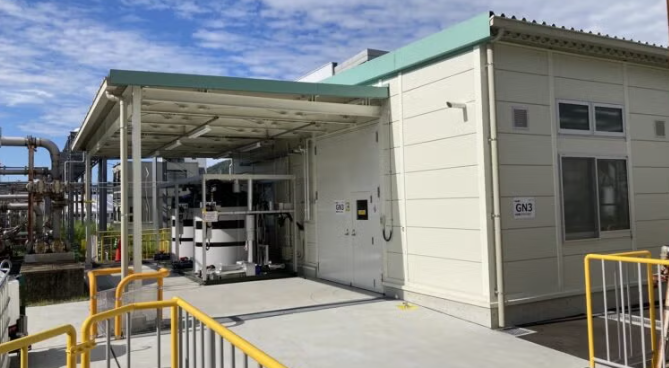
Under MCC’s “Medium-Term Management Plan 2029,” the company set a target to reduce Chemical Oxygen Demand (COD) in wastewater, reflecting its commitment to efficient water resource management. The newly completed pilot facility is designed to develop an advanced, cost-competitive wastewater treatment technology by integrating solutions refined by MCC’s production engineering and research teams.
The technology will be horizontally deployed across MCC’s domestic and international plants to achieve COD reduction goals by FY2029. MCC also plans to explore potential commercialization of this technology as a water treatment business in the medium to long term. For FY2029, the company aims to reduce COD by 310 tons at its domestic plants and group companies compared with FY2023 levels.
The pilot plant has been designed to support a variety of testing functions, including:
Continuous and batch process testing to evaluate performance under different operational modes.
Multivariate testing based on variations in wastewater composition, temperature, and pH to simulate real plant conditions.
Integration testing of multiple wastewater treatment technologies, such as biological treatment, membrane separation, and advanced oxidation processes, to identify the most effective combinations.
MCC’s approach emphasizes flexibility and scalability, ensuring the technology can adapt to different plant requirements while maintaining cost efficiency. By refining these processes at the pilot stage, MCC aims to provide robust solutions that reduce environmental impact and enhance operational efficiency across its global operations.
The Hiroshima pilot facility represents a strategic investment in sustainable water management and environmental performance, aligning with MCC’s broader objectives to improve resource efficiency and minimize the ecological footprint of its chemical production activities.
By advancing this integrated treatment technology, MCC is positioning itself to not only meet internal sustainability targets but also contribute to wider industrial efforts to reduce chemical pollutants in wastewater, offering a potential model for other chemical plants domestically and abroad.
This milestone underscores MCC’s commitment to innovation, environmental stewardship, and long-term operational resilience, supporting both corporate sustainability goals and broader societal expectations for responsible chemical manufacturing practices.
Produtos Relacionados


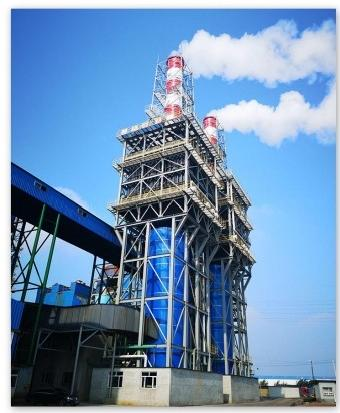
Integração de Dessulfurização e Precipitação Eletrostática Úmida
Shandong Shengbao Heat Transfer Technology Co., Ltd.
Série completa de trocador de calor do tipo placa destacável
Beijing AMAX Heat Transfer Equipment Manufacturer Co., Ltd.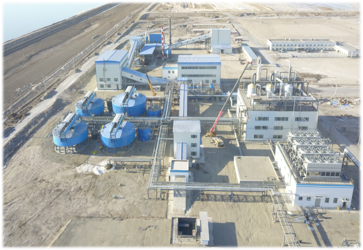
Projeto de Expansão de Produção e Transporte de Sulfato de Potássio da SDIC Luobupo
China Bluestar Lehigh Engineering Corporation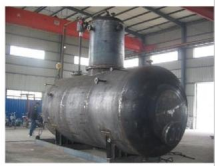
Eliminador de Oxigênio com Torre Vertical e Membrana Rotativa
Qingdao Changlong Heavy Equipment Co., Ltd.
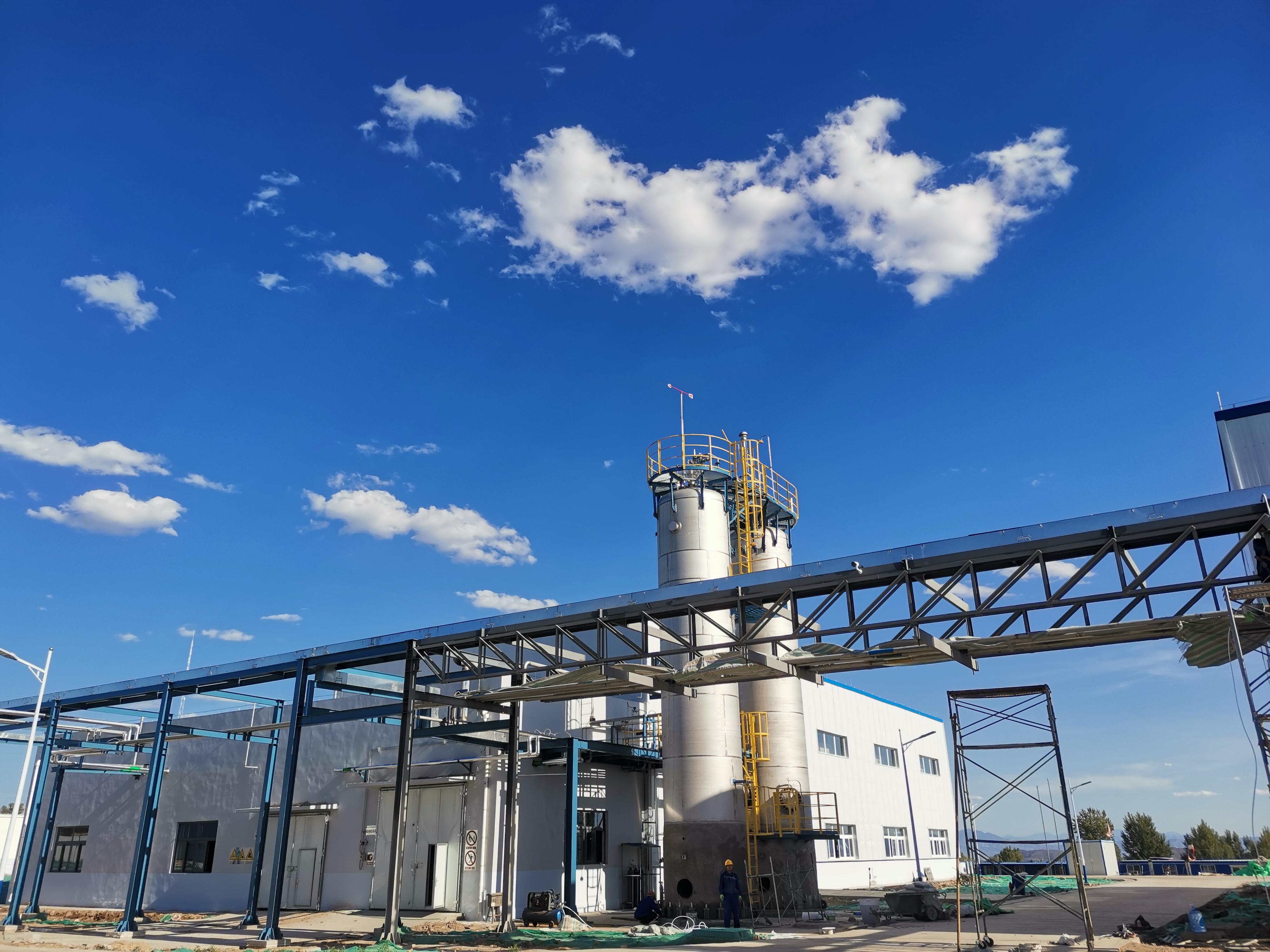

Dispositivo de compensação de impulso de baixa tensão
Xinjiang Zhongtai Special Electric Equipment Co., Ltd.
Fornecido pelo Fabricante: Coluna de Membrana STRO, Membrana STRO para Efluentes Industriais, STRO no Atacado
RisingSun Membrane Technology (Beijing) Co., Ltd.